
Crystals are solid materials defined by repeating atomic structures and geometric shapes. They form through natural processes like cooling magma or mineral evaporation over long periods. Beyond their geological classification into seven systems, crystals possess physical properties like piezoelectricity that are essential for modern electronic technology and timekeeping.
Diverse civilizations have historically valued crystals for their beauty and symbolic meanings. Modern wellness practices often incorporate these minerals for meditation and reflection, though scientific evidence does not support specific healing claims. Responsible sourcing and proper maintenance remain important considerations for collectors and practitioners in the contemporary market.
Introduction
Crystals have fascinated humanity for thousands of years. From ancient civilizations that revered them as sacred objects to modern scientists studying their atomic structures, crystals occupy a unique intersection of geology, beauty, culture, and spirituality. Whether admired as natural masterpieces, collected as gemstones, or used in meditation and wellness practices, crystals continue to inspire people around the world.
This guide explores crystals from both scientific and cultural perspectives, helping readers appreciate their geological origins while understanding the beliefs that surround their spiritual use.
Chapter 1: What Are Crystals?
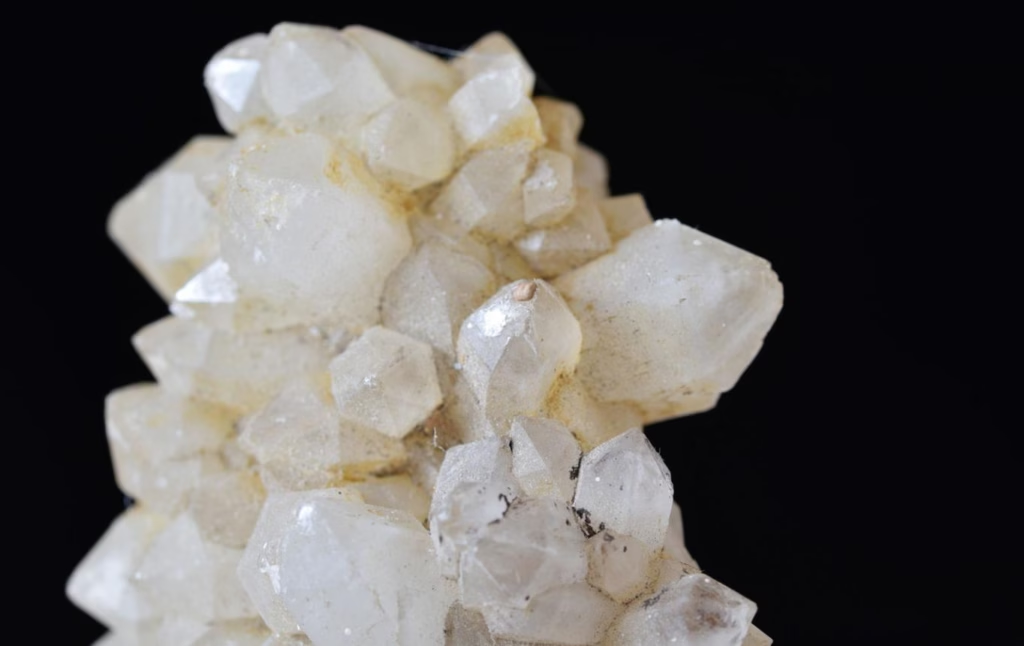
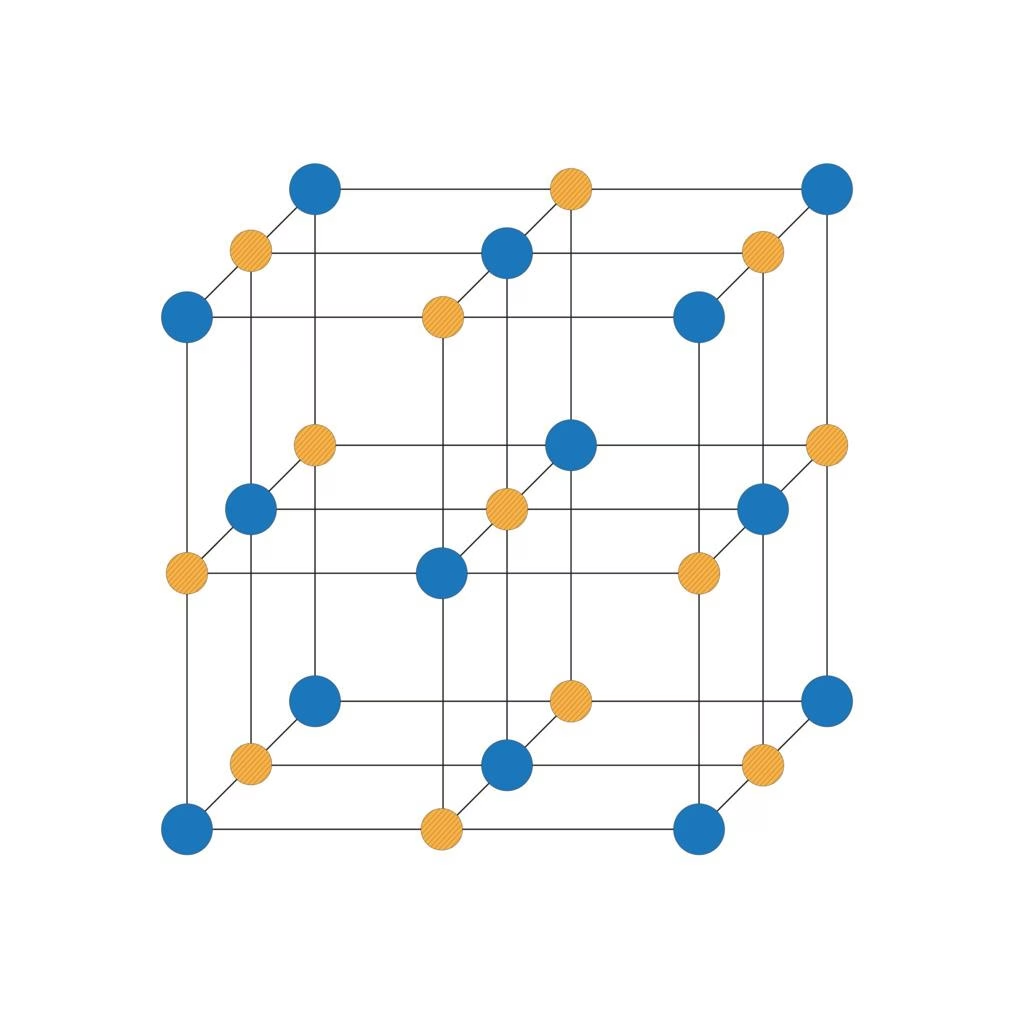
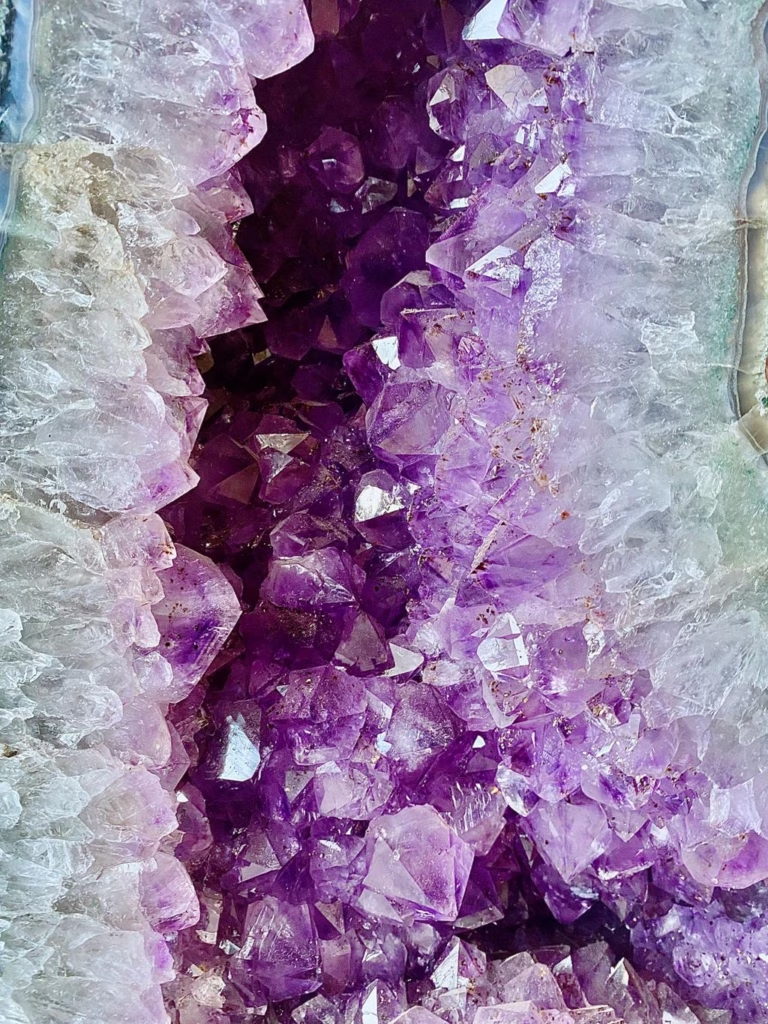
Scientifically, a crystal is a solid material whose atoms are arranged in a highly ordered, repeating three-dimensional pattern known as a crystal lattice. This organized structure gives crystals their characteristic geometric shapes and physical properties.
How Crystals Form
Crystals develop through several natural processes:
- Cooling of molten magma
- Evaporation of mineral-rich water
- Metamorphic heat and pressure
- Hydrothermal mineral deposition
The rate of growth affects crystal size:
- Slow cooling → Large, well-formed crystals
- Rapid cooling → Small or microscopic crystals
Some crystals take millions of years to reach their full size.
Chapter 2: The Science Behind Crystal Formation
Earth’s crust contains thousands of different minerals.
For a mineral to qualify as a crystal, it must possess:
- A natural origin
- A definite chemical composition
- An ordered atomic arrangement
Scientists classify crystals into seven major crystal systems:
| Crystal System | Example |
|---|---|
| Cubic | Diamond, Pyrite |
| Hexagonal | Emerald |
| Trigonal | Quartz |
| Tetragonal | Zircon |
| Orthorhombic | Topaz |
| Monoclinic | Moonstone |
| Triclinic | Labradorite |
Each system determines the crystal’s external shape and internal symmetry.
Chapter 3: Popular Crystals and Their Characteristics
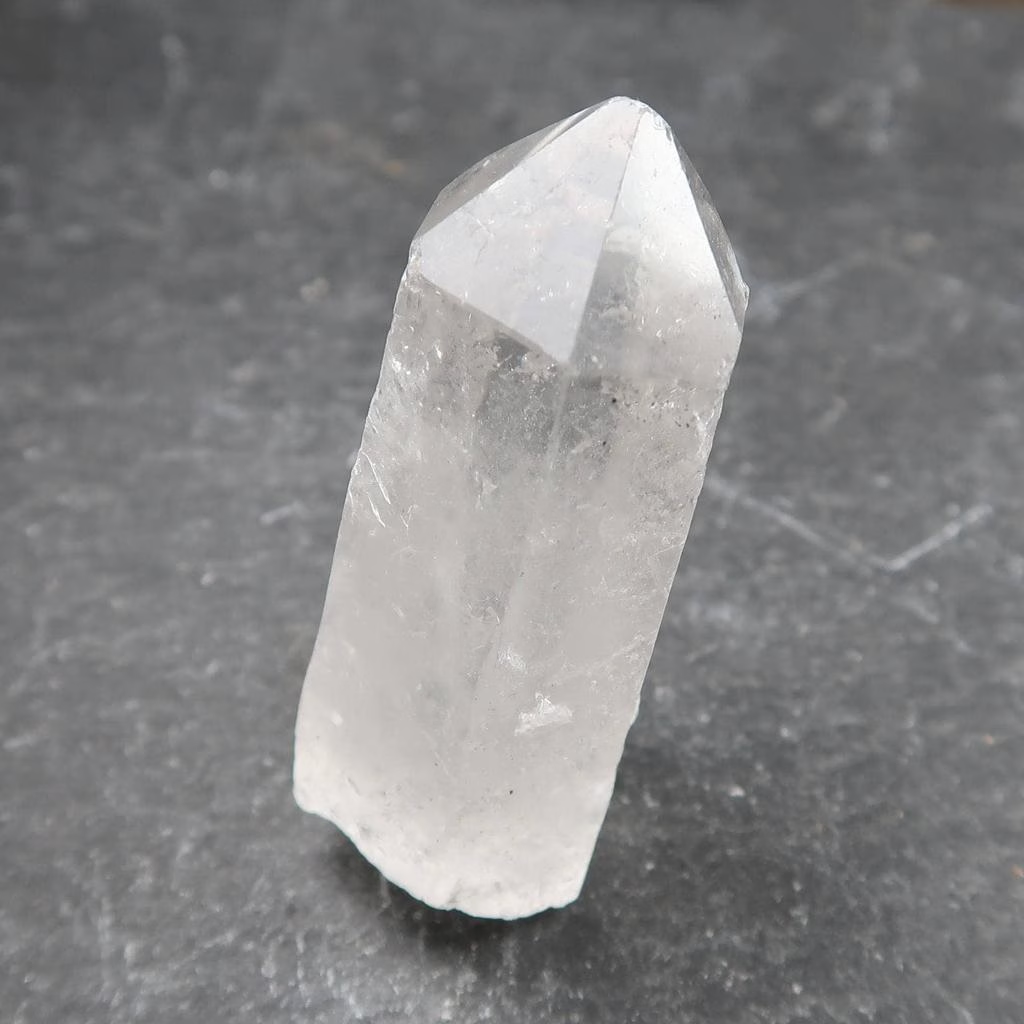
Clear Quartz
Often called the “Master Crystal,” clear quartz is abundant and highly transparent.
Scientific properties:
- Silicon dioxide (SiO₂)
- Hardness: 7 (Mohs Scale)
- Excellent piezoelectric properties
Traditional spiritual associations:
- Mental clarity
- Amplification of intentions
- Meditation
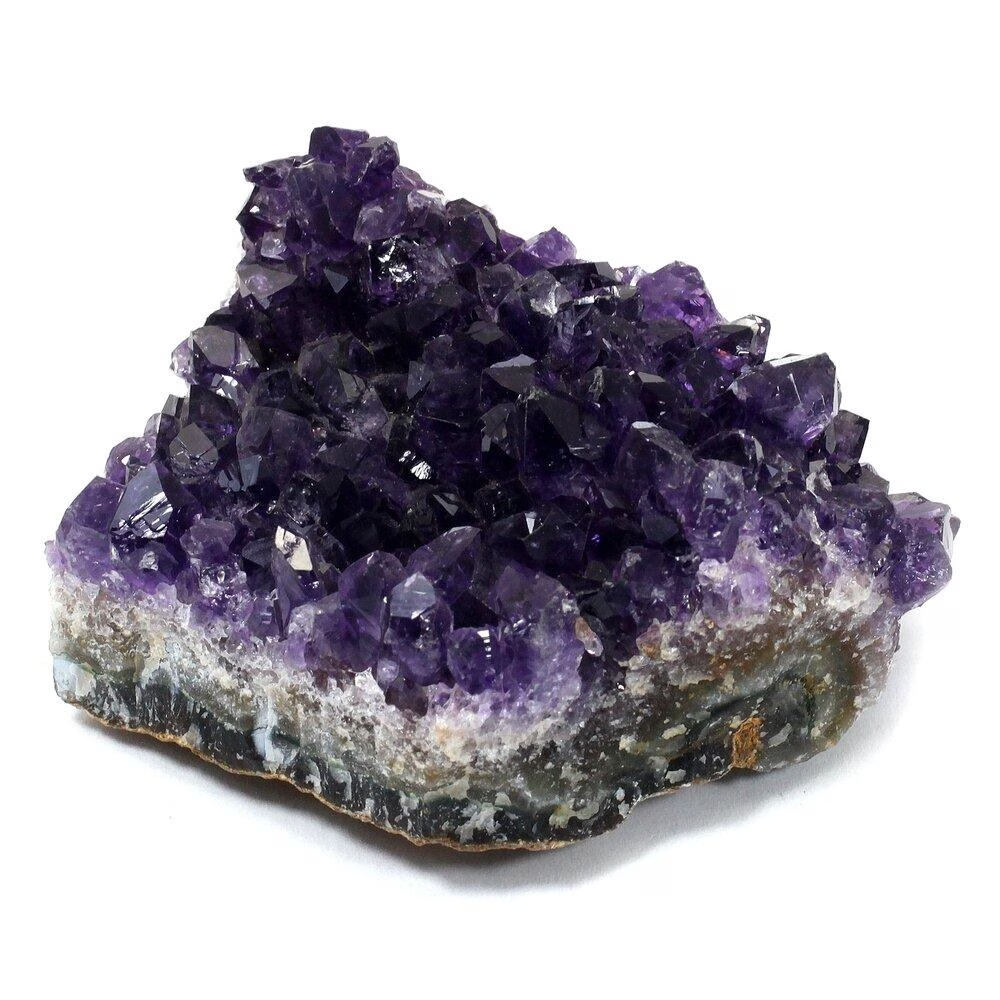
Amethyst
Recognized by its striking purple color.
Scientific facts:
- Purple variety of quartz
- Color produced by iron impurities and natural irradiation
Traditional associations:
- Calmness
- Wisdom
- Emotional balance
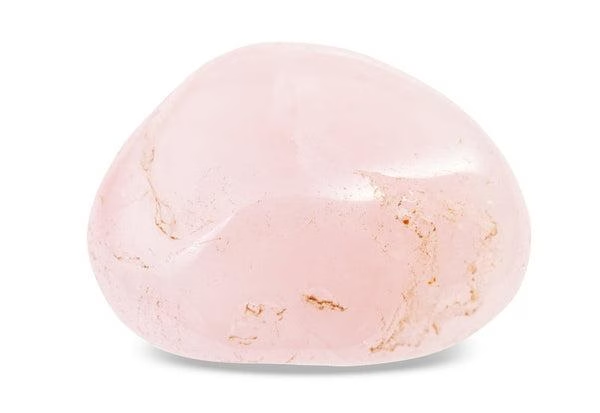
Rose Quartz
Known for its gentle pink appearance.
Composition:
- Silicon dioxide
Traditional symbolism:
- Compassion
- Love
- Emotional healing
Citrine
Golden-yellow quartz valued in jewelry.
Common associations:
- Optimism
- Creativity
- Confidence
Black Tourmaline
A dark silicate mineral prized for its durability.
Traditional beliefs:
- Protection
- Grounding
- Stability
Labradorite
Famous for its colorful optical effect called labradorescence.
Scientific feature:
- Light interference within microscopic layers creates flashes of blue, green, and gold.
Chapter 4: Crystal Colors and Their Meanings
| Color | Examples | Traditional Associations |
|---|---|---|
| White | Quartz | Clarity |
| Purple | Amethyst | Wisdom |
| Pink | Rose Quartz | Love |
| Green | Aventurine | Growth |
| Blue | Aquamarine | Communication |
| Yellow | Citrine | Confidence |
| Black | Tourmaline | Protection |
| Red | Garnet | Vitality |
These meanings come from cultural and spiritual traditions rather than established scientific evidence.
Chapter 5: Crystals Throughout History
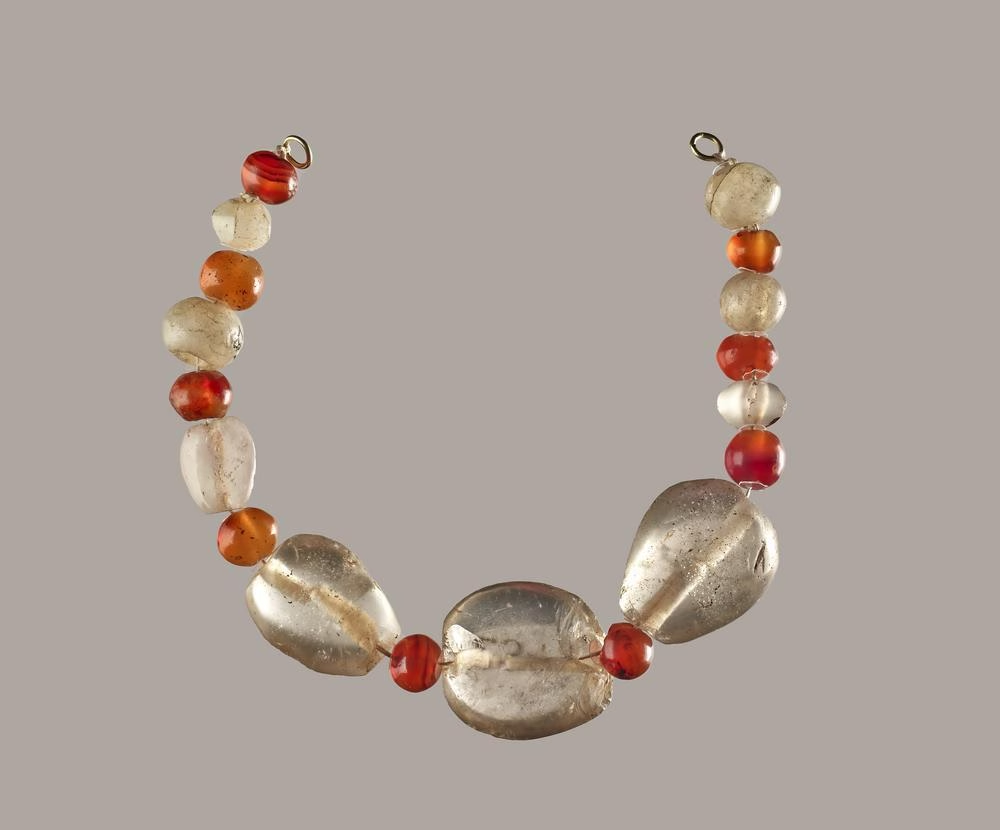
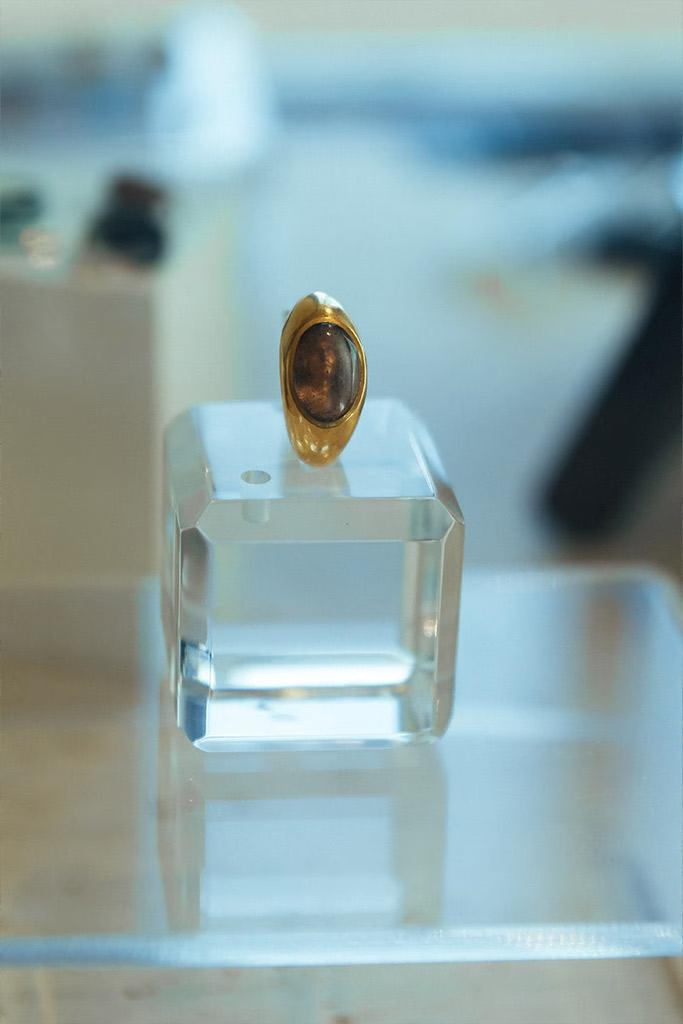
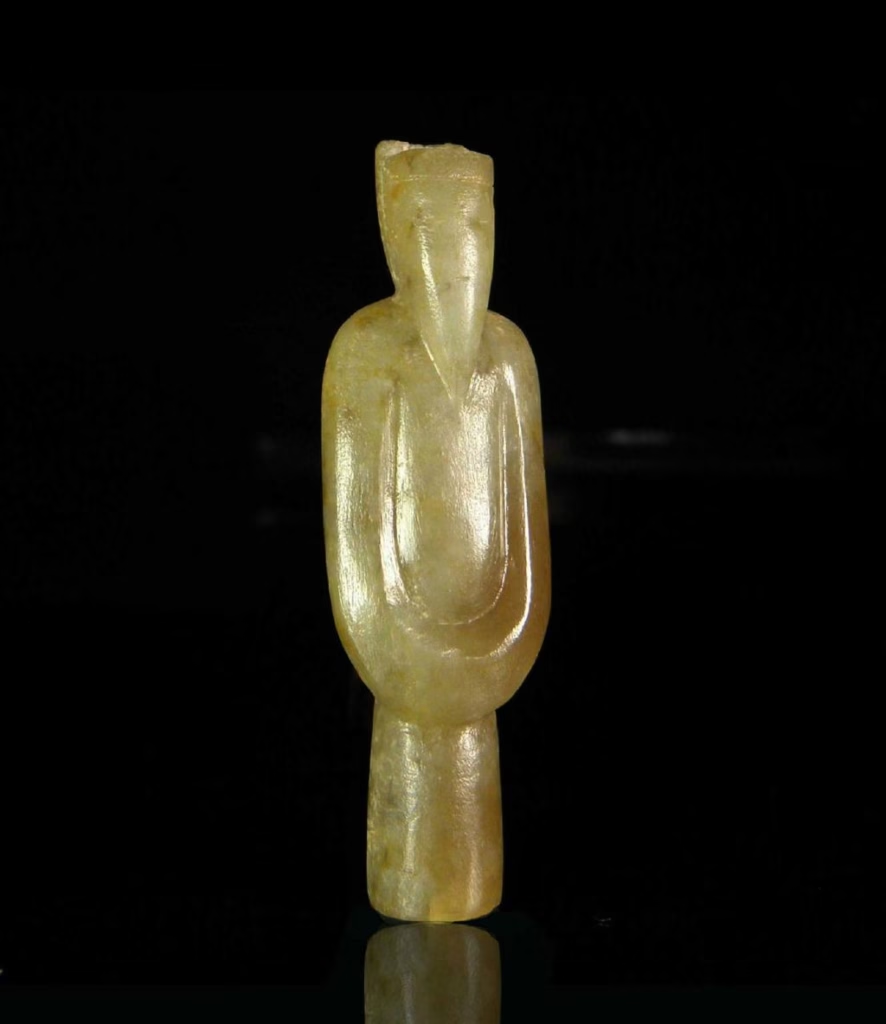
Different civilizations valued crystals for different purposes.
Ancient Egypt
Crystals were worn as jewelry and incorporated into ceremonial objects.
Ancient Greece
The word “crystal” derives from the Greek krystallos, meaning “ice.”
Ancient China
Jade symbolized virtue, harmony, and longevity.
Medieval Europe
Gemstones appeared in royal regalia and religious artifacts.
Chapter 6: Crystal Healing and Modern Wellness
Many people today use crystals in practices such as:
- Meditation
- Yoga
- Mindfulness
- Interior decoration
- Personal reflection
Common practices include:
- Holding a crystal during meditation
- Displaying crystals in living spaces
- Wearing crystal jewelry
- Creating decorative crystal grids
Scientific Perspective
Current scientific research has not established reliable evidence that crystals possess healing energies capable of treating medical conditions. Some people nevertheless report personal benefits such as relaxation, focus, or comfort, which may arise from meditation, ritual, positive expectations, or other psychological factors rather than any demonstrated physical energy emitted by the crystals.
Crystals should not replace professional medical care.
Chapter 7: Crystal Care
Although crystals are durable minerals, they benefit from proper care.
Cleaning
- Warm water (when appropriate for the mineral)
- Soft cloth
- Gentle brush
Avoid harsh chemicals.
Storage
- Separate softer stones from harder minerals.
- Keep away from prolonged direct sunlight if the mineral is prone to fading.
Chapter 8: Choosing Your First Crystal Collection
Beginners often start with:
- Clear Quartz
- Amethyst
- Rose Quartz
- Citrine
- Black Tourmaline
These stones offer a variety of colors, appearances, and geological characteristics while representing many of the traditional symbolic meanings associated with crystals.
Chapter 9: Ethical Crystal Sourcing
As crystal collecting has grown in popularity, responsible sourcing has become increasingly important.
Consider purchasing from suppliers who:
- Practice environmentally responsible mining
- Support fair labor standards
- Provide transparent sourcing information
- Minimize ecological impact
Ethical purchasing helps preserve mineral resources and supports mining communities.
Chapter 10: Crystals in Technology
Crystals are not only decorative—they are essential to modern technology.
Quartz crystals are used in:
- Wristwatches
- Smartphones
- Computers
- GPS systems
- Radios
- Medical equipment
Quartz’s piezoelectric properties allow it to vibrate at extremely stable frequencies when electricity is applied, making it invaluable for accurate timekeeping and electronic devices.
Frequently Asked Questions
Do crystals really have healing powers?
Many cultures and individuals believe crystals can support well-being, but current scientific evidence does not confirm that crystals have specific healing effects beyond those that may arise from relaxation, meditation, or expectation.
Which crystal is best for beginners?
Clear Quartz is often recommended because it is abundant, durable, and versatile.
Can crystals lose their energy?
From a scientific standpoint, minerals do not “lose energy” in the spiritual sense. However, many spiritual traditions include practices such as cleansing or recharging crystals as part of their rituals.
Are crystals rare?
Some, such as quartz, are very common. Others, like certain gem-quality minerals, are exceptionally rare and valuable.
Conclusion
Crystals represent one of nature’s most remarkable creations. Their intricate atomic structures, vibrant colors, and extraordinary geological histories have captivated scientists, artists, collectors, and spiritual practitioners alike.
Whether viewed as fascinating mineral specimens, elegant gemstones, or meaningful symbols in personal spiritual practices, crystals invite us to appreciate the beauty and complexity of the natural world. By understanding both the science behind their formation and the cultural traditions that have grown around them, we can enjoy crystals with curiosity, respect, and an informed perspective.